Quick answer:
For most WA homes, tilt & turn windows are the best all-round choice. The dual-action opening gives secure, controlled ventilation or a full swing-in for cleaning. The multi-point locking hardware also creates a tighter seal against Perth’s heat and coastal wind than a standard slider.
But the right style still depends on the room: awning windows suit bathrooms and wet areas since they can stay open through light rain, casement windows are best for capturing side breezes on narrow lots, and sliding windows are the practical choice for balconies and tight walkways where nothing can swing outward.
Key takeaways
- Best all-round choice for WA: Tilt & Turn – flexible ventilation, strong seal, easy to clean from inside.
- Best for wet areas: Awning – ventilates safely even in light rain.
- Best for capturing a breeze: Casement – swings fully open, ideal for side elevations facing the Fremantle Doctor.
- Best for tight spaces: Sliding Windows – no outward-swinging sash, suited to balconies and narrow lots.
Why does window style matter so much in WA?
Choosing a frame material and glazing is only half the decision. How a window actually opens affects four things you’ll notice every day: how much airflow you get, how secure it is left ajar on a warm night, how easy it is to clean, and whether it will even fit the space you have.
Perth’s climate makes this more than a cosmetic choice — intense summer heat, a reliable afternoon sea breeze, coastal salt air, and increasingly narrow infill lots all put real pressure on window style, not just material.
As the Australian Government’s YourHome design guide notes, ventilation should be controlled rather than left to unwanted air leaks — which is exactly what the right window style delivers. It’s worth reading alongside our guide to uPVC vs aluminium vs timber frames, since style and material work together as one system.
Window styles at a glance
| STYLE | VENTILATION | AIRTIGHTNESS | SECURITY WHEN AJAR | CLEANING | SPACE NEEDED |
|---|---|---|---|---|---|
| Tilt & Turn | Excellent | Excellent | Excellent | Easy (swings in) | Internal clearance |
| Casement | Excellent | Very good | Good | Harder (swings out) | External clearance |
| Awning | Good, rain-safe | Very good | Good | Harder (swings out) | External clearance |
| Sliding | Moderate | Good | Moderate | Moderate | None |
| Stacking | Excellent (fully open) | Good | Moderate | Moderate | Track/stacking zone |
Why Choose Tilt & Turn Windows?
Tilt & turn windows operate two ways from a single handle, which is what makes them the most flexible style on the market:
- Dual Function: Tilt inward from the top for secure, controlled ventilation, or turn the handle further to swing the full sash inward like a door.
- Strong Seal: The multi-point locking hardware creates a tighter compression seal than a standard sliding window, helping keep out Perth’s summer heat and reducing dust infiltration during dry, windy months.
- Easy to Clean: Because the sash swings fully inward, you can clean the outside of the glass from inside the room — no ladder required.
Best for: living areas and bedrooms, where flexibility matters most — a small tilted gap for airflow on a mild evening, or a full swing-open for a proper cross-breeze.
Watch-out: the inward-swinging sash needs clear space inside the room, so it’s not ideal directly behind a kitchen bench or a bed pushed hard against the wall.
Why Choose Casement Windows?
Casement windows are side-hinged and swing outward like a door, opening the full pane for unobstructed airflow:
- Maximum Airflow: The entire sash opens, rather than a slot or gap, so casement windows capture more breeze than any style except a fully open tilt & turn or stacking window.
- Clear Views: With no track or stacking mechanism across the glass, casement windows give an uninterrupted view when open.
- Naturally Airtight: The outward-swinging sash seals shut with a compression seal, which supports better thermal performance through both Perth’s hot summers and cooler winter mornings.
Best for: side and rear elevations positioned to catch a breeze at an angle — particularly useful for funnelling the Fremantle Doctor into a room rather than letting air drift past a fixed pane. YourHome’s guidance on orientation recommends positioning openings to capture and distribute cooling breezes for exactly this reason.
Watch-out: an open casement sash projects outside the wall line, so it’s not suitable close to a footpath, driveway, or narrow side setback where it could be knocked or block a walkway.
Why Choose Awning Windows?
Awning windows are hinged at the top and open outward from the bottom, which is what makes them the safest style to leave open in changeable weather:
- Rain-Safe Ventilation: The angled sash deflects water away from the opening, so the window can stay open for airflow even during a short burst of rain.
- Privacy Without Compromise: Positioned high on a wall, awning windows ventilate a room without compromising privacy — useful for bathrooms or bedrooms facing the street.
- Good Security: Like casement windows, the compression seal and outward hinge make them harder to force open from outside than a sliding window.
Best for: bathrooms, ensuites, laundries, and any wet area where you want airflow without letting weather in.
Watch-out: the open sash projects outward, so placement near paths, balconies, or low eaves needs some planning.
Why Choose Sliding Windows?
Sliding windows glide sideways within the frame rather than opening outward, which is what makes them the practical default wherever an outward-swinging sash isn’t an option:
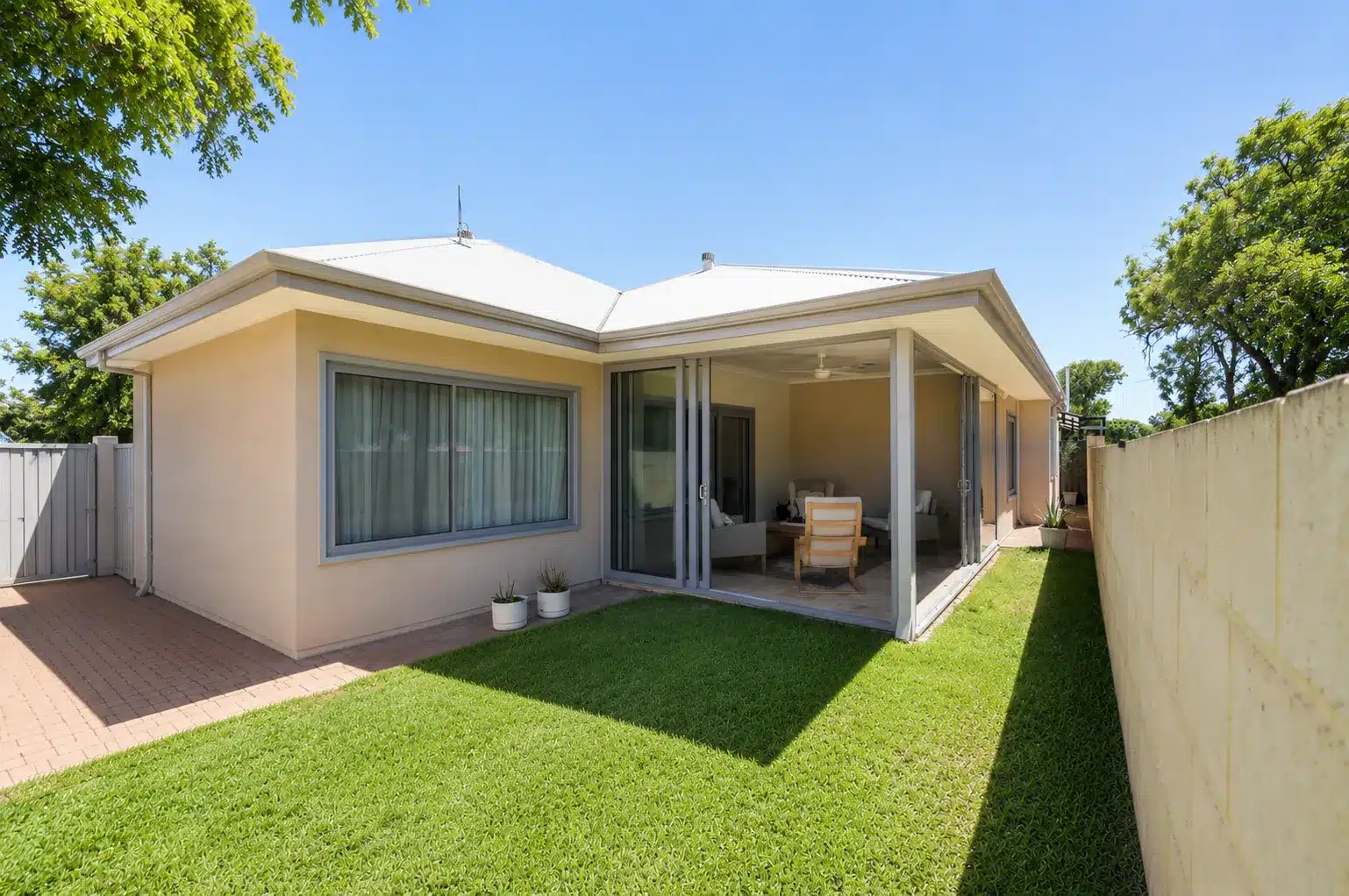
- No Outward Swing: With nothing projecting into the space outside, sliding windows suit balconies, verandas, tight walkways, and narrow infill lots close to a boundary.
- Maximum Glass: Larger openings in living areas benefit from the wide, unbroken glass panels a sliding window allows, flooding a room with light without needing outward clearance.
- Simple Operation: Easy for most people to operate one-handed, which matters in busier family spaces.
Best for: balconies, upper-storey rooms, and homes on tighter Perth blocks where side elevations sit close to a neighbouring wall.
Watch-out: sliding windows typically use a brush seal rather than a compression seal, so they’re generally less airtight than tilt & turn, casement, or awning windows of the same size — worth factoring in if the opening faces prevailing wind or a busy road. If you’d like to compare sealing performance across styles, our guide on how secure your windows and doors really are covers this in more detail.
Why Choose Stacking Windows?
Stacking windows are made up of multiple sliding panels that stack back on top of, or beside, one another, opening far more of the wall than a standard two-panel slider:
- Wide-Open Living: Ideal for connecting an indoor space to an alfresco, deck, or garden, giving you the option of a fully open wall of glass in warmer months.
- Servery-Style Openings: A cost-effective way to create a pass-through between a kitchen or living area and an outdoor entertaining space, without the structural complexity of a full stacking door system.
- Built for Entertaining: A natural fit for WA’s outdoor lifestyle — for a broader look at connecting indoor and outdoor living, see our guide to enclosing your alfresco.
Best for: larger openings between kitchens or living areas and outdoor entertaining spaces.
Watch-out: for a standard-sized window opening, a tilt & turn or casement window will usually be more cost-effective than a stacking configuration.
Which window style is best for a WA home?
- Best overall flexibility: Tilt & Turn
- Best for breeze capture: Casement
- Best for wet areas: Awning
- Best for tight sites and balconies: Sliding
- Best for indoor-outdoor entertaining: Stacking
Most Perth homes don’t use just one style throughout — they mix them room by room.
A typical layout might run tilt & turn through living areas and bedrooms, and awning windows in the bathroom and laundry. Casement windows work well angled to catch the Fremantle Doctor. And sliding or stacking windows suit wherever space is at a premium, or where a wide opening onto the alfresco is the goal.
Coastal properties benefit from styles with a tighter compression seal such as tilt & turn, casement, and awning. A looser seal lets in more salt-laden air, which can accelerate wear on frames and hardware over time; our guide to how different windows perform in coastal conditions covers this further.
Why the right consultation matters as much as the style
Picking a style on paper is one thing — getting the mix right across an entire floor plan is another.
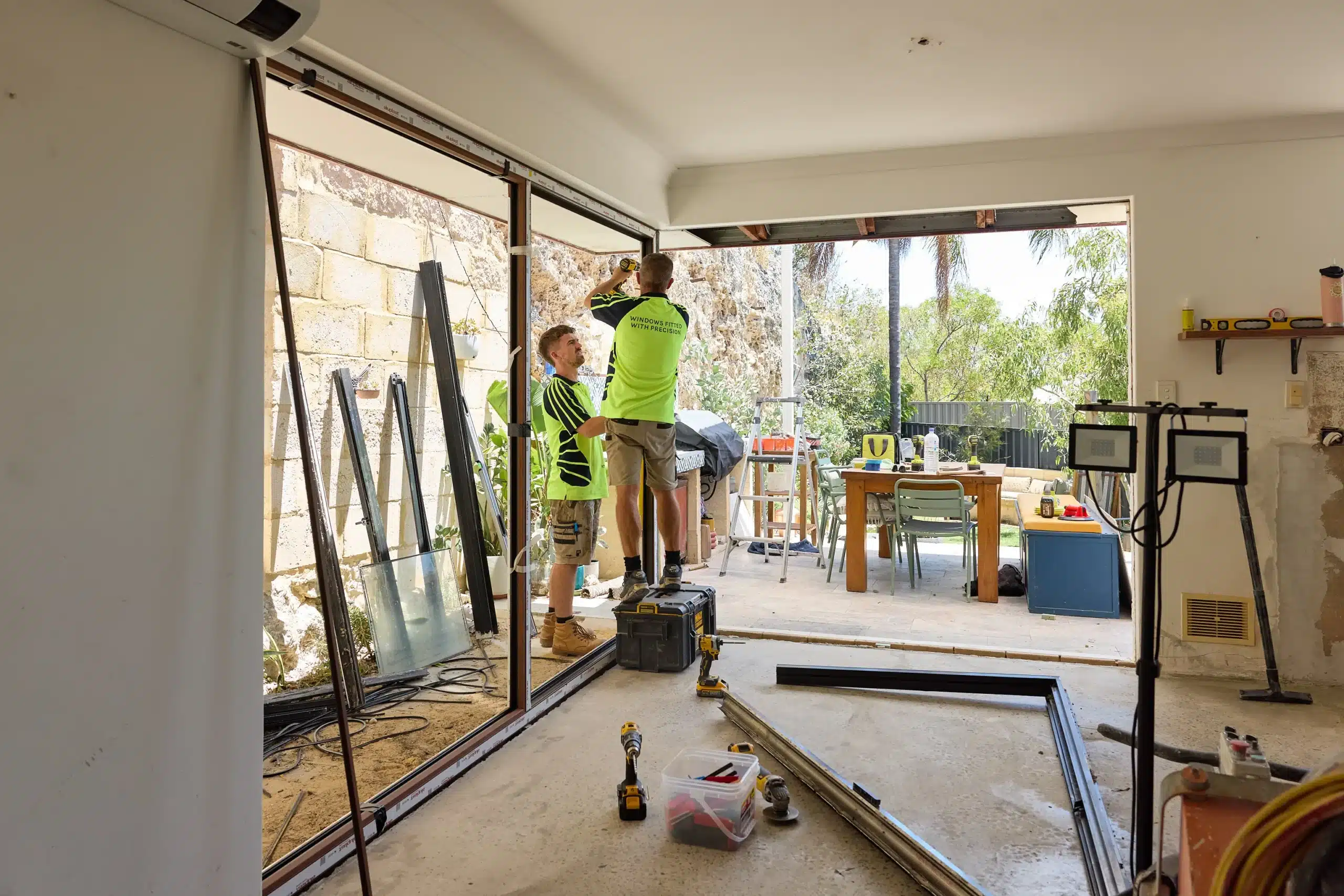
At Premier Windows, every project starts with a free consultation where our team walks through your plans room by room, factoring in orientation, breeze direction, site constraints, and your BAL rating where relevant.
From there, windows are custom-made in our Balcatta factory using German-engineered Aluplast profiles and fitted by in-house installers, with a typical lead time of 10–15 weeks.
For a full breakdown of what to budget across styles and sizes, see our guide to double glazed window costs in Perth.